Closed Sorts vs. Open Sorts: Getting Students to Think Deeper
Most teachers at some point have given their students a sorting activity. Give them a list of words or items and ask them to place them into provided categories. Sorting activities can be a great way to help students compare and classify what they are learning. But what if you don’t give students the categories. Keep reading to learn about the differences between closed and open sorts and the benefits of each.
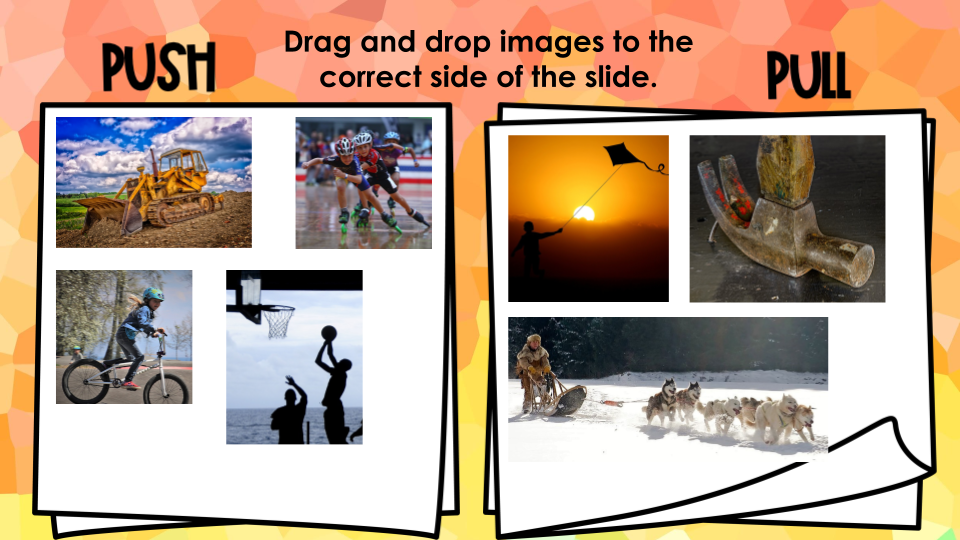
What is a Closed Sort?
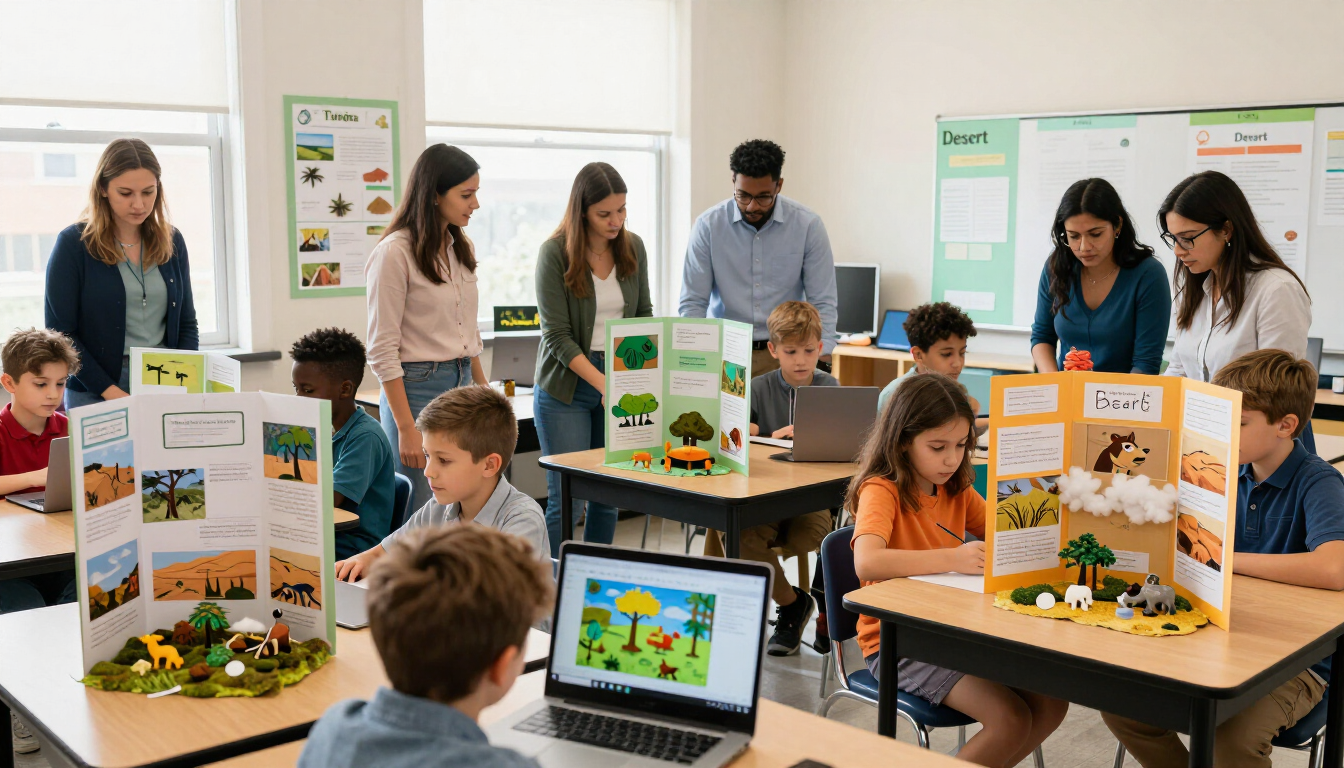
A closed sort is what most teachers are familiar with. The teacher provides the items to be sorted AND the categories. For example, a teacher may give a list of animals to students and ask them to sort them based on the type of consumer they are. Or maybe the teacher gives them several biomes and has them sort them based on the biome they found.
Closed sorts are helpful when students need practice with:
Learning specific concepts
Reviewing vocabulary
Identifying characteristics
Practicing newly learned information
Closed sorts are also helpful for teachers when they want to check students' understanding without giving a simple worksheet.
What is an open sort?
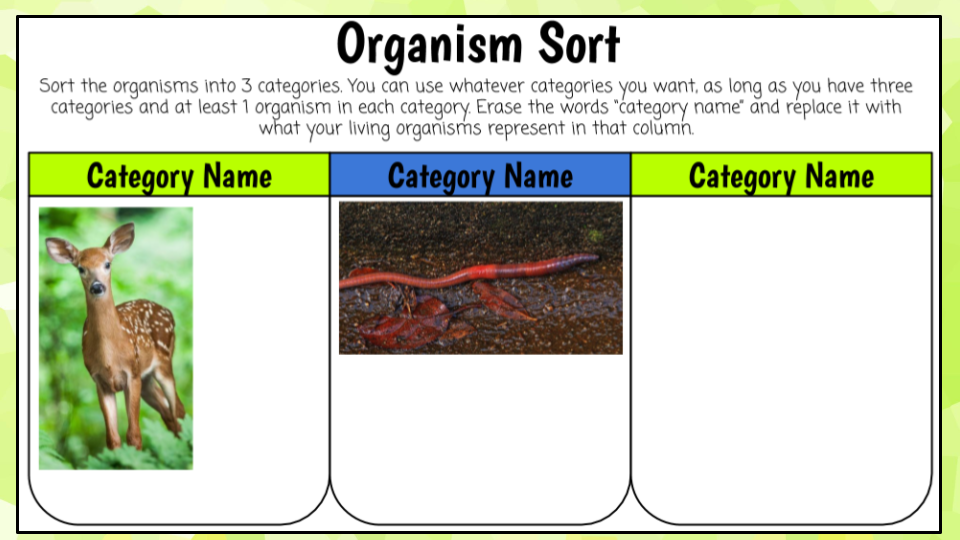
An open sort is when the items to be sorted are provided by the teacher but the categories are not provided. For example, a teacher gives a list of organisms (plants, animals, insects, etc) and tell the students to sort them into groups. They can make any categories they want and have as many groups as they want, but everything must be put into a group.
One student might choose to sort the organisms based on appearance (feathers, scales, bark, etc). Another student might organize them by what they eat (herbivore, carnivore, omnivore, etc). Another student might choose to organize them by color.
By watching how your students decide to classify their organisms you can gain a lot of insight as to what students are thinking and what background knowledge they may have. The student who sorts them by color may not have a lot of background knowledge about living organisms so they choose the thing that is most obvious to them, color. But the student who chooses to sort by what an organism eats recognizes that organisms don’t all eat the same way.
There is no wrong way to sort them, but an important question becomes “Why did you sort them that way?”. It forces students to justify their thinking.
One of my favorite extension activities after completing an open sort is to ask students to re-sort the same items multiple times, never repeating the same categories.
For example, the student who sorted organisms by what their appearance first, might sort them by where they live the second time. The third time they might choose to sort them based on what they eat or how they get their energy.
This is where we really push students to think, because they have to think of these organisms in different ways besides their first thought. This helps them build flexible thinking and it also leads to excellent classroom conversations. You can extend it even further by asking students “What was the best way to sort these items?”.
So which is better?
Both types of sorts are valuable for different reasons.
Use an open sort if you want students to…
- Explore
- Observe
- Notice Patterns
- Make Connections
- Justify their thinking
- Develop flexible thinking.
Use a closed sort if you want students to…
- Reinforce new vocabulary
- Apply what they have just learned
- Demonstrate their understanding
Other topics that are great for open sorts:
- Human Traits (inherited, acquired, instinct)
- Human Body Systems (parts and organs)
- Changes to Matter (Physical & Chemical Changes)
When used with purpose, sorting can help students identify patterns, classify information and communicate their thinking.
Discover more teaching strategies in the
Coffee and Sneakers Learning blog
or have the classroom-ready ideas delivered straight to your inbox by
joining the Coffee and Sneakers newsletter. You’ll receive teaching tips, exclusive free resources designed to save you time and engage your students.