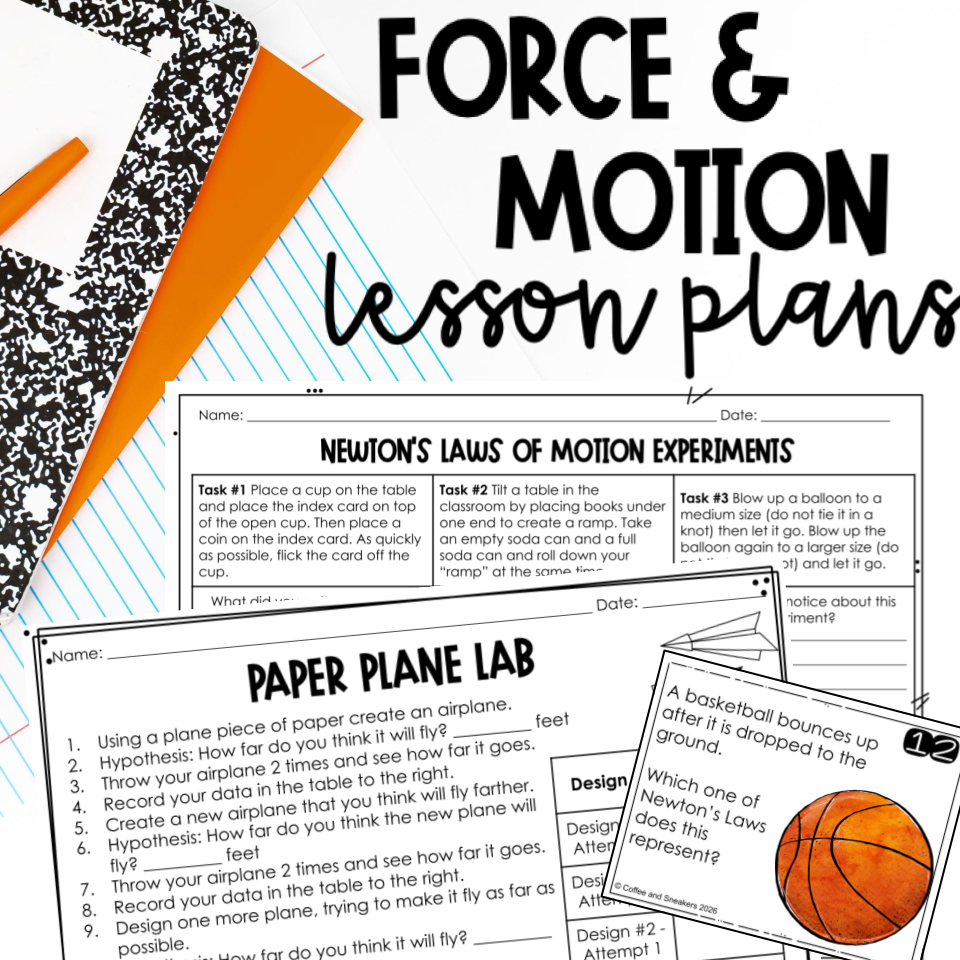
Looking for ready-to-use lessons on that? These activities are part of our 5th Grade Forces & Interactions Lesson Plans, which include detailed lesson plans, student recording sheets, videos, and many other activities to help students understand the relationship between force and motion.
Hands On Investigation for Teaching Friction
Teach students about friction with cars, ramps and everyday materials! This investigation will have all students engaged and learning.
Total Time: 30 minutes
Materials:
- Stopwatch
- Toy Cars
- Aluminum foil, bubble wrap and sand paper
- Four pieces of cardboard and books for making ramps
Questions to Ask Before Building
- How will different materials impact the motion of an object?
- Which material will make the car move faster?
- Which material will make the car move slower?
Steps:
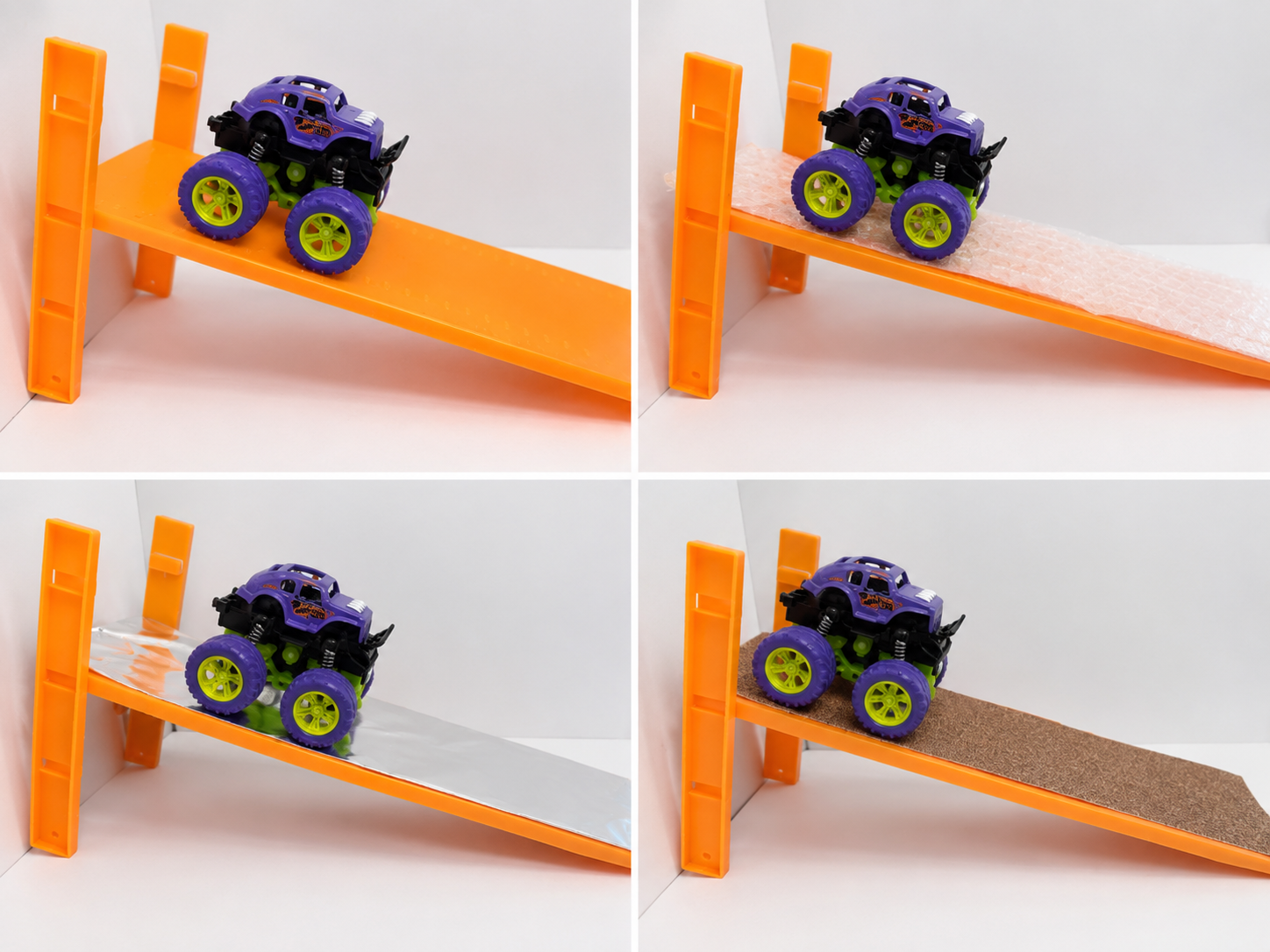
- Leave one piece of cardboard alone, this will serve as your control.
- Wrap one piece of cardboard with aluminum foil.
- Wrap another piece of cardboard in bubble wrap.
- Place sandpaper on the last piece of cardboard.
- Angle each cardboard piece with books to create a ramp. (Each ramp must be the same height).
- Let the car go down each ramp and keep track of the time it takes to reach the bottom.
- Do this three times for each ramp and calculate the average by adding all 3 times and dividing by 3.
Questions to Ask After Completing the Activity
- How did the material type affect the car's movement?
- If you could add a 5th ramp, what material would you test next and why?
- How do humans apply this information in real life?
FAQ
What materials did you use?
You can definitely use strips of cardboard and books to make ramps. That’s what we have done for many years, but after a while I decided to invest in these ramps*. Sometimes cardboard can bend and skew the results of the investigation. Since we had plans to use these in other investigations and over multiple years it made sense for us to purchase these plastic ones.
We also used these
monster trucks*. We have found sometimes the wheels from small cars don’t quite roll as well as they should which gives us inaccurate results. These monster trucks are friction powered so they travel much more smoothly and consistently.
For bubble wrap and aluminum foil you can use any brand of products. For the sandpaper, we purchased
this 40 grit sandpaper*. 40 or 60 grit sandpaper works better than other sandpaper because it is rougher which shows the impact of the surface.
Before purchasing anything be sure to look around your classroom, house or ask others to borrow materials. We just wanted to provide links to resources we actually purchased and enjoyed!
How many students should work together?
If you can make it work with your class size, pairs of students wors best. This ensures everyone has something to do during the investigation. However, groups of 3 can work as well, but we wouldn't recommend more than 3.
What if I don’t have enough ramps or cardboard?
If you don’t have enough ramps you could set up stations around the room. Pairs of students move to the ramp they need, and when they finish another pair of students can use it.
If that doesn’t work you can also have partners complete the investigation while other students complete another assignment at their desk. Then when that group finishes they can switch with another group.
*As an Amazon Associate, we earn from qualifying purchases.

Learn how reducing classroom downtime, shortening transitions, planning for early finishers, and having quick backup activities can help prevent behavior problems.

Discover a simple way to teach weather by tracking and graphing daily conditions, using real-time data to build vocabulary and science skills.

Explore matter, physical and chemical properties, and chemical changes with an exciting elephant toothpaste science experiment for kids.

Discover how science scavenger hunts make hands-on learning easy and engaging, with simple activities for exploring matter, forces, and more.

Try the Stroop Effect for kids! This fun brain experiment explores attention, the nervous system, and how our brains process competing information.

Closed sorts vs. open sorts: discover how both strategies help students classify, identify patterns, explain their thinking, and develop deeper science reasoning.

Looking for a meaningful ecosystem project? Learn how to host an Ecosystem Expo where students research biomes, create displays, and present their learning.

Discover hands-on human body system projects that help students explore the skeletal, muscular, digestive, respiratory, and more using simple craft supplies.
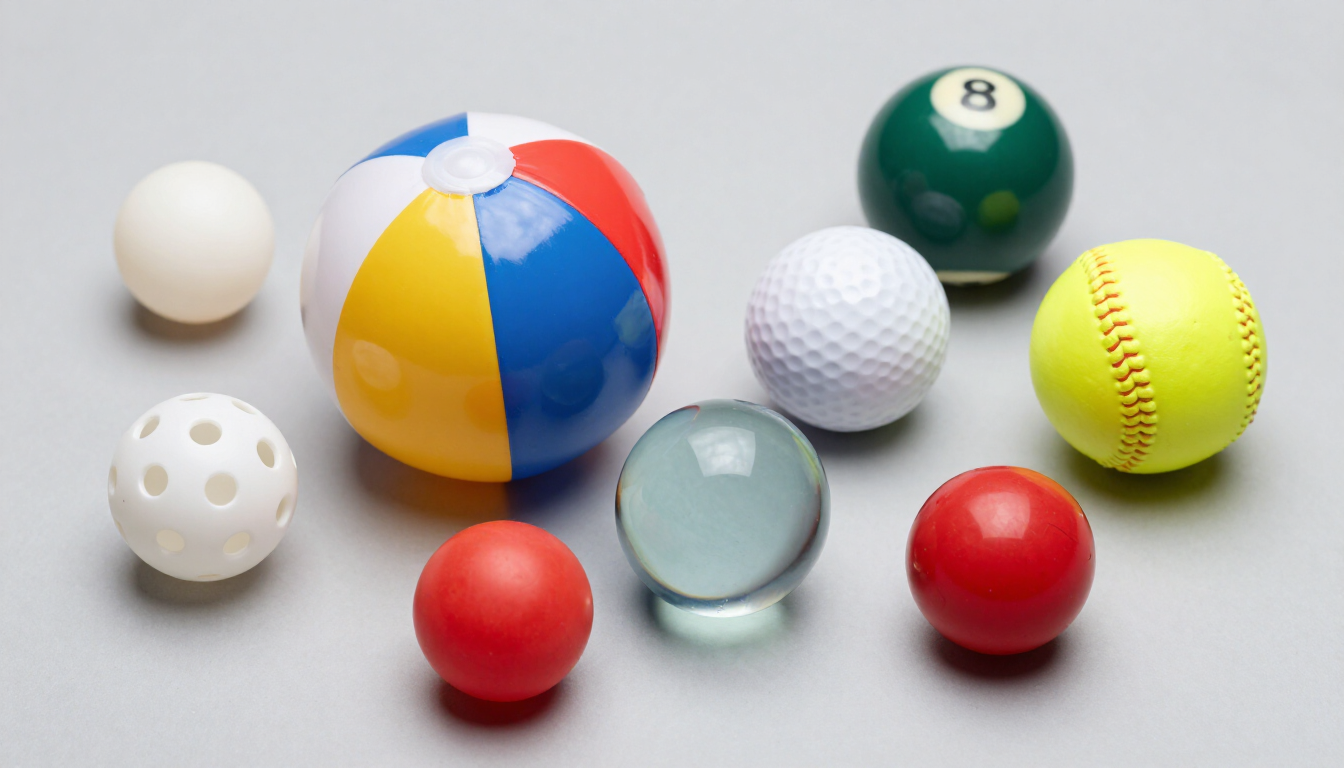
Teach force and motion with hands-on science activities that explore how force strength and mass affect movement using simple materials.

Teach Newton's Laws of Motion with quick, hands-on science activities using simple materials. Perfect for engaging elementary students.