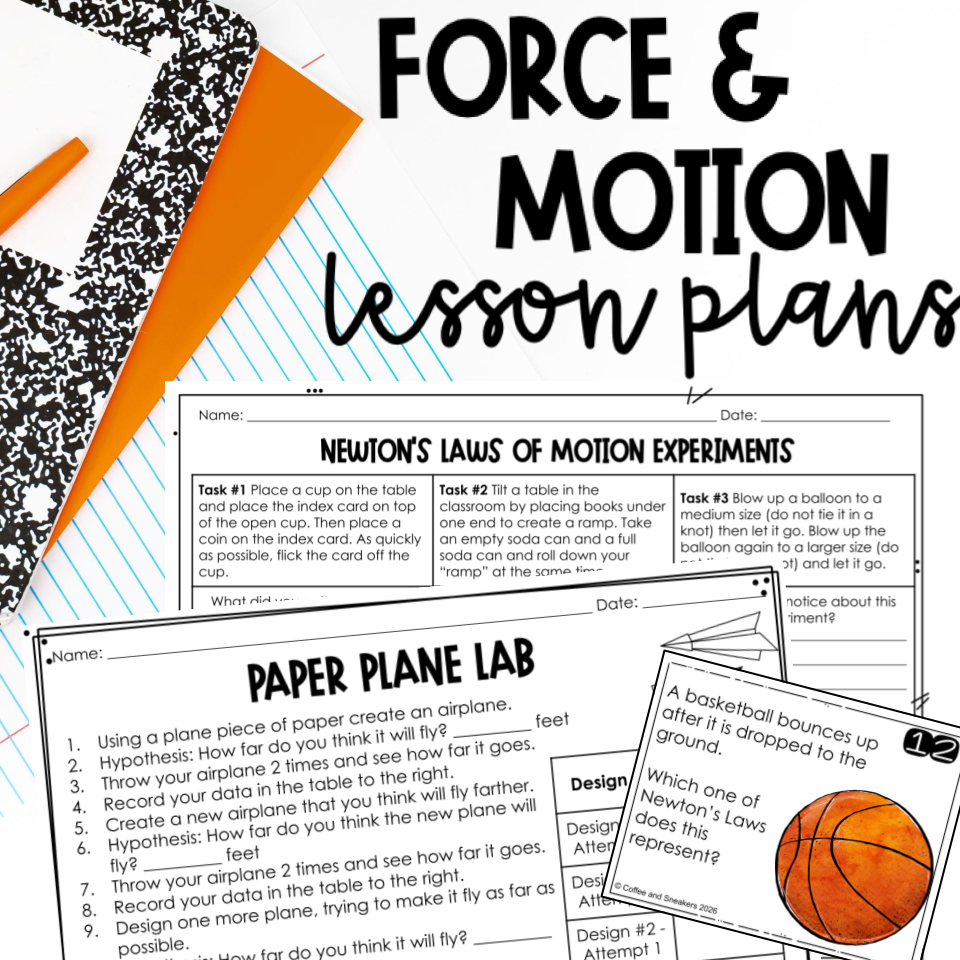
Looking for ready-to-use lessons on that? These activities are part of our 5th Grade Forces & Interactions Lesson Plans, which include detailed lesson plans, student recording sheets, videos, and many other activities to help students understand the relationship between force and motion.
Easy Air Resistance Investigation (No Materials Required)
Easy Air Resistance Investigation (No Materials Required)
Teach students about air resistance with scrap paper! This paper plane lab will have all students engaged and learning. You can use any kind of paper you can find on hand, construction paper, lined paper or even just plane paper.
Total Time: 30 minutes
Materials:
- Paper
Questions to Ask Before Building
- How do you think a paper airplane stays up in the air?
- What might help an airplane stay in the air longer?
Steps:
- Students will use paper to create a paper airplane. Encourage them to start with a simple design instead of spending time perfecting it.
- They will throw the plane twice to see how far it will go.
- Students should note the distance the object went.
- They will then redesign their airplane with new paper.
- They will repeat steps 2 and 3 again with their new airplane.
- They will make a third design and fly them 2 more times and record their distance.
Before the Redesign
- What do you plan to change for the second and third redesigns?
- What do you predict will happen after your redesign?
Questions to Ask After Completing the Activity
- Which design worked best? Why?
- If you had one more chance to redesign your airplane, what would you change?
- How did testing help you improve your design?
- What force is your paper plane fighting?
- How does your paper plane compare to keeping real planes up in the air?

FAQ
What if my students don’t know how to make paper planes?
You can encourage students to work together so they have someone else to support them. Additionally, if they have access to technology (computer and or tablet) let them look up paper airplane designs. There are many to choose from!
Should students measure distance or simply compare which flew farther?
If this is an informal activity to be done quickly students can just keep a mental note of how far it flew. If you want to be very precise you can have them measure it with a measuring tool. My favorite idea is actually giving students some blue painters tape. They can put a small piece on the ground where it landed and even document what design it was (i.e Design A, Throw 2).
How does this investigation connect to air resistance?
When a paper airplane flies through the air the air pushes against the paper plane making it slow down and eventually stop. Some designs create less air resistance which makes the plane fly farther than other designs. This investigation shows students the importance of plane design and how air resistance can change how the object moves.

Learn how reducing classroom downtime, shortening transitions, planning for early finishers, and having quick backup activities can help prevent behavior problems.

Discover a simple way to teach weather by tracking and graphing daily conditions, using real-time data to build vocabulary and science skills.

Explore matter, physical and chemical properties, and chemical changes with an exciting elephant toothpaste science experiment for kids.

Discover how science scavenger hunts make hands-on learning easy and engaging, with simple activities for exploring matter, forces, and more.

Try the Stroop Effect for kids! This fun brain experiment explores attention, the nervous system, and how our brains process competing information.

Closed sorts vs. open sorts: discover how both strategies help students classify, identify patterns, explain their thinking, and develop deeper science reasoning.
Teach friction with this engaging investigation! Students compare toy car speeds on ramps covered with sandpaper, bubble wrap, and aluminum foil.

Looking for a meaningful ecosystem project? Learn how to host an Ecosystem Expo where students research biomes, create displays, and present their learning.

Discover hands-on human body system projects that help students explore the skeletal, muscular, digestive, respiratory, and more using simple craft supplies.
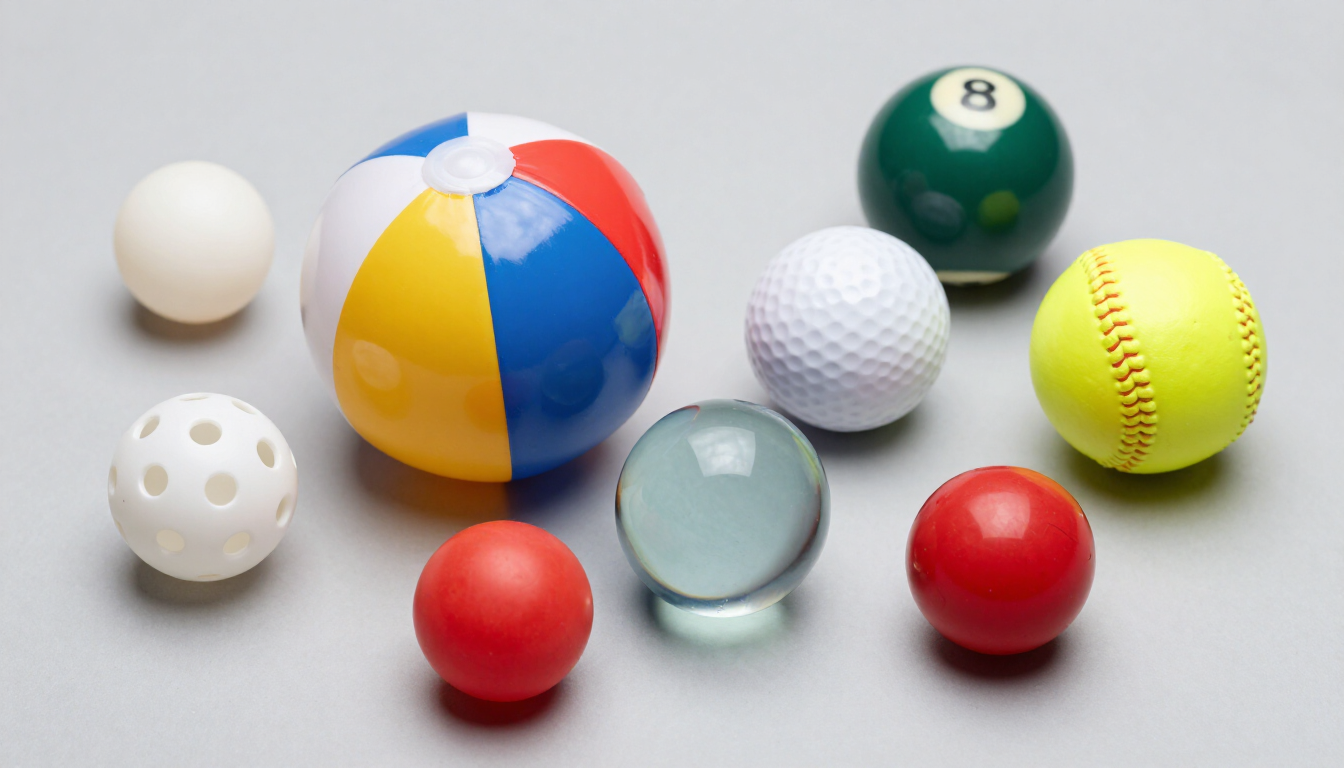
Teach force and motion with hands-on science activities that explore how force strength and mass affect movement using simple materials.