Looking for ready-to-use lessons on this topic? These activities are part of our 3rd Grade Matter Lesson Plans, which include detailed lesson plans, student recording sheets, assessments, and many other activities to help students understand states of matter, heating and cooling and types of changes.
Making Ice Cream with Science
What student wouldn’t love to make their own ice cream? But how do we make sure science stays at the forefront and it doesn’t become just another “fun activity”. Keep reading to see how students have fun making a yummy treat but understand the scientific concepts behind it.
Adult supervision is recommended for all activities. Parents and teachers should evaluate each activity for the age, ability, and needs of their children. By participating, you assume responsibility for any risks associated with the activity.
Studying Matter by Making Ice Cream
Time:
30 minutes
Materials:
- Small zip top bag
- Large zip top bag
- 1 Cup Half-and-half
- 2 Tbsp of sugar
- ½ tsp of vanilla extract
- ¼-½ cup of rock salt
- Ice Cubes
Steps:
- Pour the half-and-half, sugar and vanilla into the small zip top bag.
- Seal the bag tightly!
- Fill the large zip top bag halfway with ice cubes.
- Add salt to the ice.
- Place the small zip top bag inside the large zip top bag and seal the large bag.
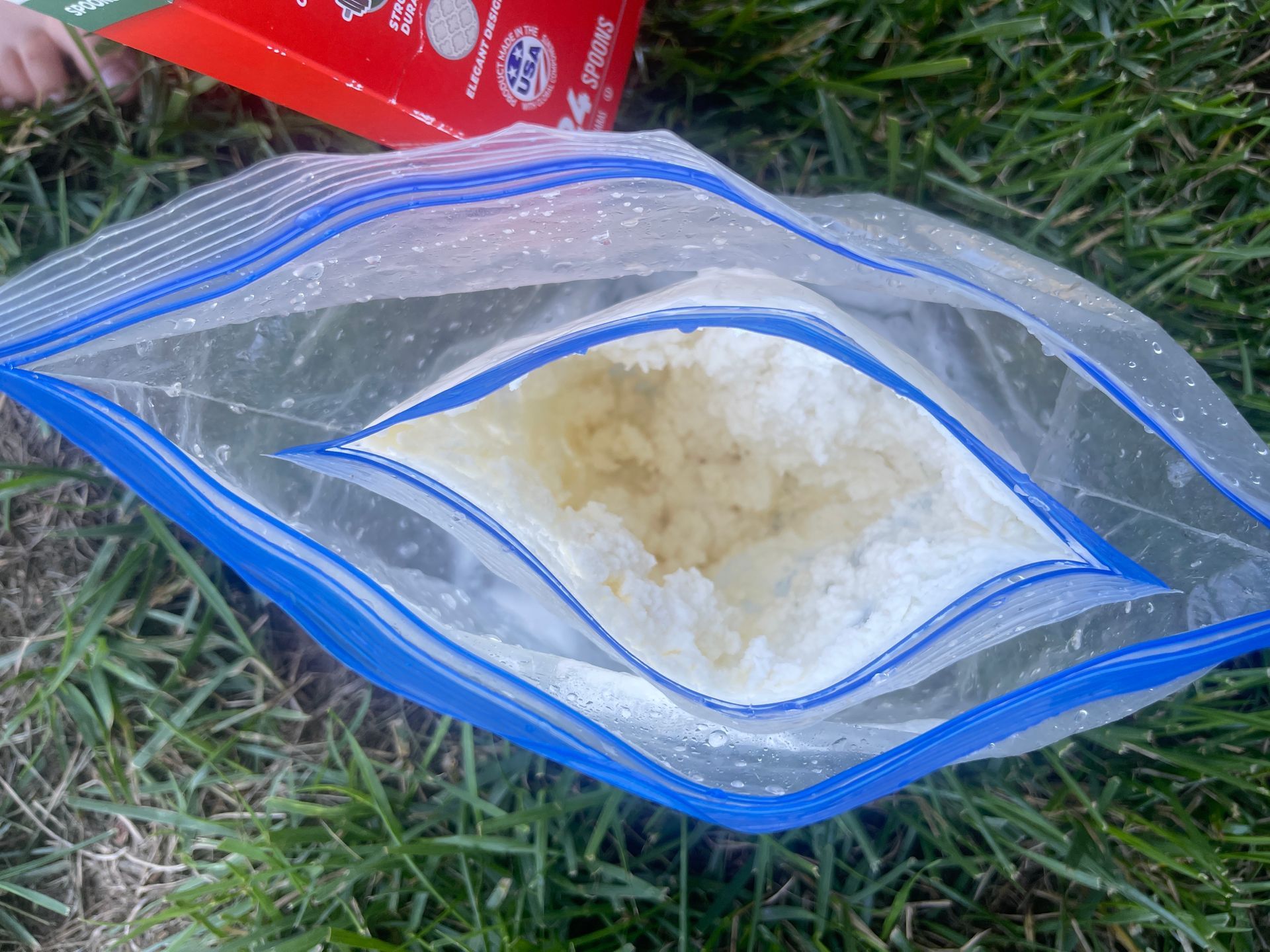
- Shake the bags for 5-10 minutes until the liquid turns to ice cream.
- Carefully remove the small bag, open and enjoy!
Scientific Concepts Covered:
- Matter can change states from heating or cooling.
- The cooling of the liquid ingredients caused them to turn to solids.
- Warming of the solids (ice) caused it to melt and become a liquid.
- Heat energy was transferred from the warmer half-and-half to the cooler ice cubes.
- Some changes are reversible (melting and freezing).
- Some changes are irreversible (mixing sugar and vanilla in the half-and-half).
Putting Science at the Forefront:
To make sure this doesn’t become just another fun activity, we can push the science by having students answer questions before and after making the ice cream.
Before Making the Ice Cream
- What are the solids in this activity?
- What are the liquids in this activity?
- What are the gases in this activity?
- What characteristics do the solids have?
- What characteristics do the liquids have?
- What characteristics do the gases have?
After Making the Ice Cream
- Where does heat energy transfer occur?
- How does cooling change the matter?
- How does warming change the matter?
- Which substances changed states?
- What changes are reversible?
- What changes are irreversible?
FAQ
Why do you need salt with the ice?
When you add salt to the bag of ice it lowers the freezing point of water which means it gets colder than regular ice.
Why is “the ice cools the half-and-half” incorrect?
The ice doesn’t cool the half-and-half because heat energy moves from the warmer object to the cooler object. In this example the warmer object is the half-and-half and the cooler object is the ice. So heat moves from the half-and-half to the ice. During this process the half-and-half mixture loses some heat (causing it to solidify) and the ice gains some heat (causing it to melt).
Why didn’t it turn to ice cream?
Here are some possible reasons the half-and-half mixture did not turn to ice cream.
- Not enough salt was put in the bag of ice
- The ice melted too quickly (usually because there is not enough ice in the bag).
- The bag was not shaken for long enough.
Discover more hands-on ideas, classroom tips, and teaching strategies on the Coffee and Sneakers blog.

Discover a simple way to teach weather by tracking and graphing daily conditions, using real-time data to build vocabulary and science skills.

Explore matter, physical and chemical properties, and chemical changes with an exciting elephant toothpaste science experiment for kids.

Discover how science scavenger hunts make hands-on learning easy and engaging, with simple activities for exploring matter, forces, and more.

Try the Stroop Effect for kids! This fun brain experiment explores attention, the nervous system, and how our brains process competing information.

Closed sorts vs. open sorts: discover how both strategies help students classify, identify patterns, explain their thinking, and develop deeper science reasoning.

Teach friction with this engaging investigation! Students compare toy car speeds on ramps covered with sandpaper, bubble wrap, and aluminum foil.
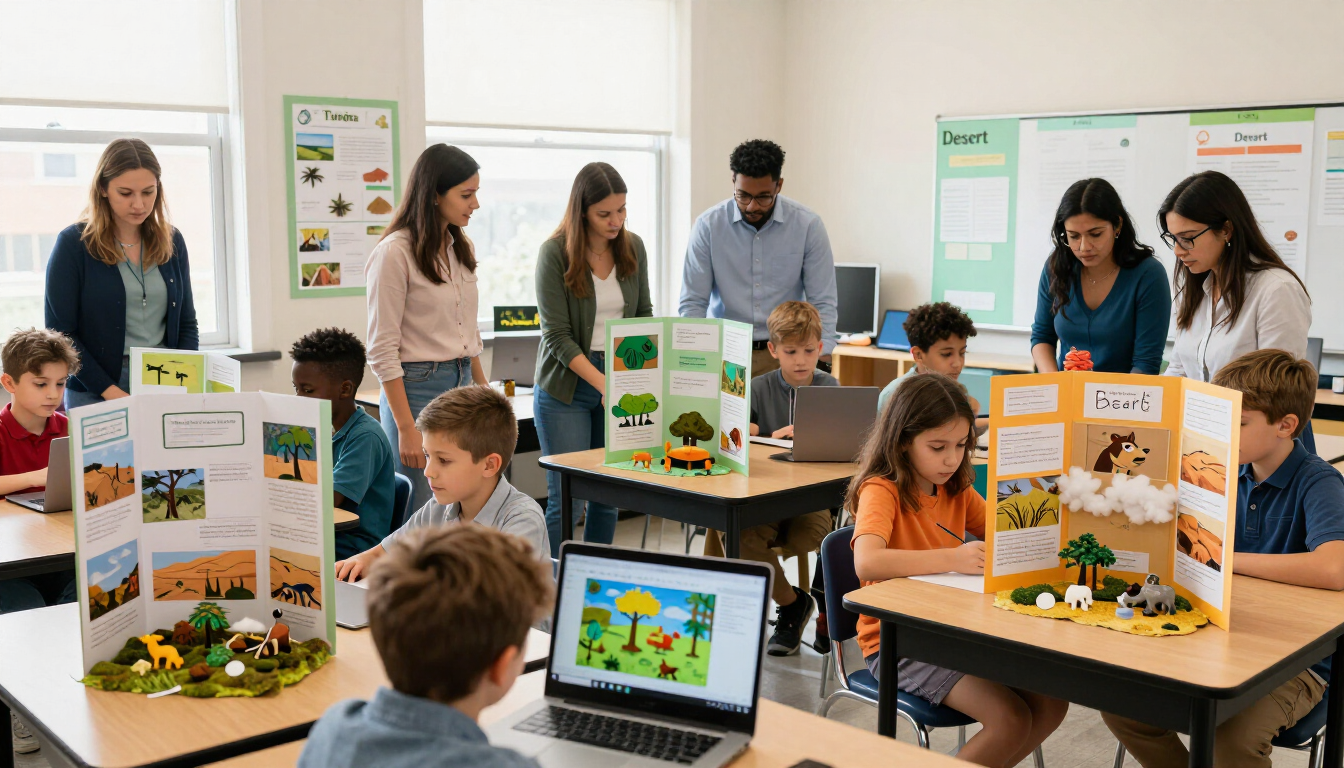
Looking for a meaningful ecosystem project? Learn how to host an Ecosystem Expo where students research biomes, create displays, and present their learning.

Discover hands-on human body system projects that help students explore the skeletal, muscular, digestive, respiratory, and more using simple craft supplies.
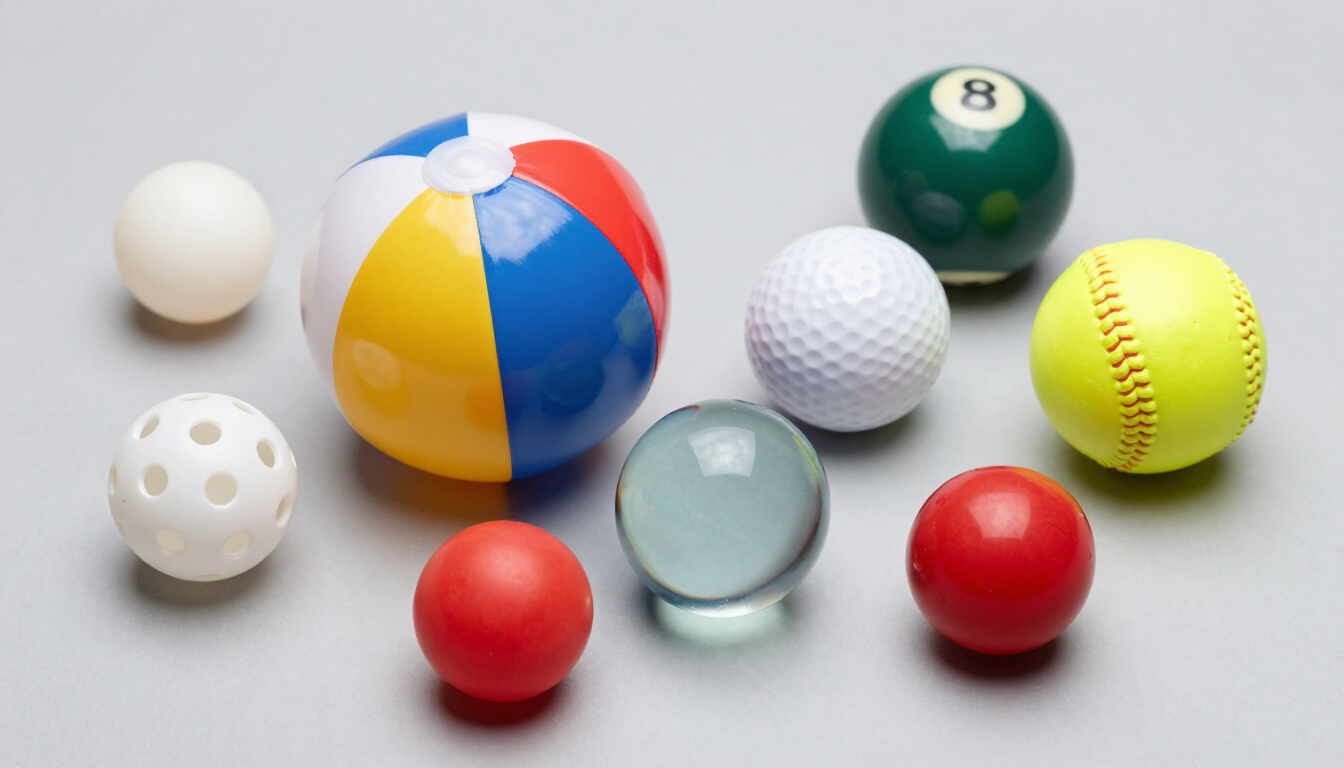
Teach force and motion with hands-on science activities that explore how force strength and mass affect movement using simple materials.
Teach Newton's Laws of Motion with quick, hands-on science activities using simple materials. Perfect for engaging elementary students.