Meaningful Test Corrections for All Learners

Test corrections have been around for a long time. They can be very meaningful for some students. But for students who scored very low, completing test corrections can be overwhelming and not help them learn the content better. Students who get a perfect score are missing out on an opportunity to reflect on their thinking. Regardless of their score, all students need to be met where they are. When I do test corrections, students complete different test correction activities depending on their test score.

A teacher helping a student with their work

Level 1

Any student who scored below a 50%, likely has some large gaps in their understanding of this topic. For this group, they are going to need the most support. I assign these students to work with an adult (usually myself but a TA or lead teacher can help too). With the help of an adult they look for clues on the test and consider any important information they have learned that might apply to this question. I often let them use their notes as well. This activity allows students to focus on relearning specific skills they didn't understand the first time.


Level 2

These students scored somewhere between a 50% and 80%. They have a basic level of understanding of the topic but often just have a few misconceptions or were just tricked by some of the questions. They focus on reflecting on their original answer and making sense of a new answer. They can work independently or in a partnership. This activity helps students identify gaps in understanding and recognize patterns in their mistakes.


Level 3

Any student who scored above a 80%, likely won't benefit much from completing typical test corrections. For this group, they choose 5 questions from their assessment that they got correct. They will rank the answers from most correct to least correct and provide a justification for their rankings. This activity pushes students beyond simple recall and towards deeper reasoning.


So after your next assessment give this a try and see if your students benefit from it too! Discover more ideas, classroom tips, and teaching strategies in the Coffee and Sneakers blog!

A thunderstorm to teach students about weather
August 18, 2026
Discover a simple way to teach weather by tracking and graphing daily conditions, using real-time data to build vocabulary and science skills.
Elephant toothpaste science experiment producing colorful foam
August 17, 2026
Explore matter, physical and chemical properties, and chemical changes with an exciting elephant toothpaste science experiment for kids.
Students exploring their school during a science scavenger hunt to find real-world examples
August 17, 2026
Discover how science scavenger hunts make hands-on learning easy and engaging, with simple activities for exploring matter, forces, and more.
Students completing a Stroop Effect experiment
August 17, 2026
Try the Stroop Effect for kids! This fun brain experiment explores attention, the nervous system, and how our brains process competing information.
Studnets using open and closed sorting activities to help students classify information
August 16, 2026
Closed sorts vs. open sorts: discover how both strategies help students classify, identify patterns, explain their thinking, and develop deeper science reasoning.
Toy monster truck on top of four  ramps covered with different surfaces— bubble wrap, sandpaper
July 21, 2026
Teach friction with this engaging investigation! Students compare toy car speeds on ramps covered with sandpaper, bubble wrap, and aluminum foil.
ecosystem tri-fold display board created by students for an Ecosystem Expo science project
July 20, 2026
Looking for a meaningful ecosystem project? Learn how to host an Ecosystem Expo where students research biomes, create displays, and present their learning.
Student creating a human body systems poster using craft supplies to model organs and body systems d
July 12, 2026
Discover hands-on human body system projects that help students explore the skeletal, muscular, digestive, respiratory, and more using simple craft supplies.
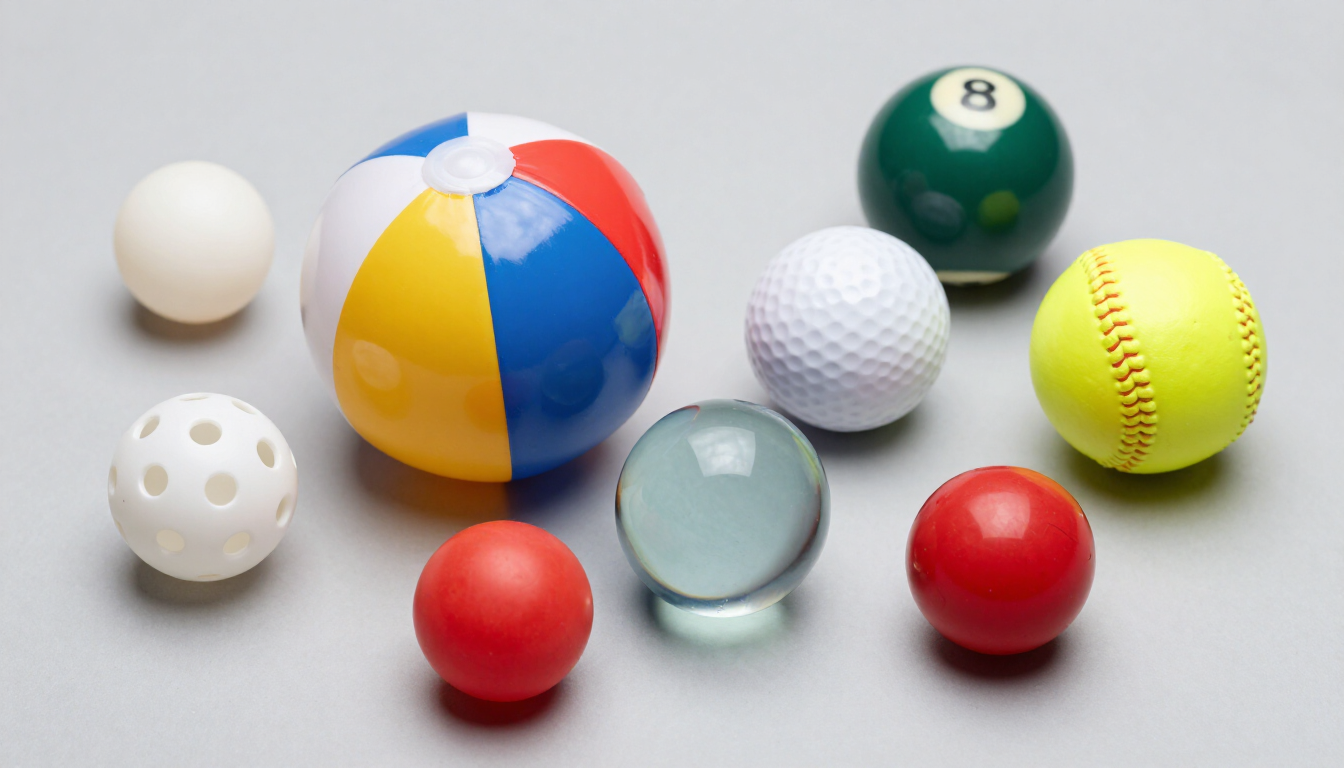
Variety of balls used in a hands-on force and motion investigation exploring how mass affects an obj
July 6, 2026
Teach force and motion with hands-on science activities that explore how force strength and mass affect movement using simple materials.
Coin resting on an index card over a plastic cup for a hands-on Newton's First Law of Motion
July 6, 2026
Teach Newton's Laws of Motion with quick, hands-on science activities using simple materials. Perfect for engaging elementary students.