Looking for ready-to-use lessons on this subject? This activity is part of our 3rd Grade Forces & Interactions Lesson Plans, which include detailed lesson plans, student recording sheets, assessments, and many other activities to help students understand forces, gravity and friction.
Hands-On Activity for Understanding How Forces Impact Speed
Need an engaging activity to help students understand how forces affect the speed of an object? Here is a very simple activity that will not only help students understand the concept, but get them excited to learn.
Force & Speed Investigation
Time: 30 minutes
Materials:
- Meter Stick
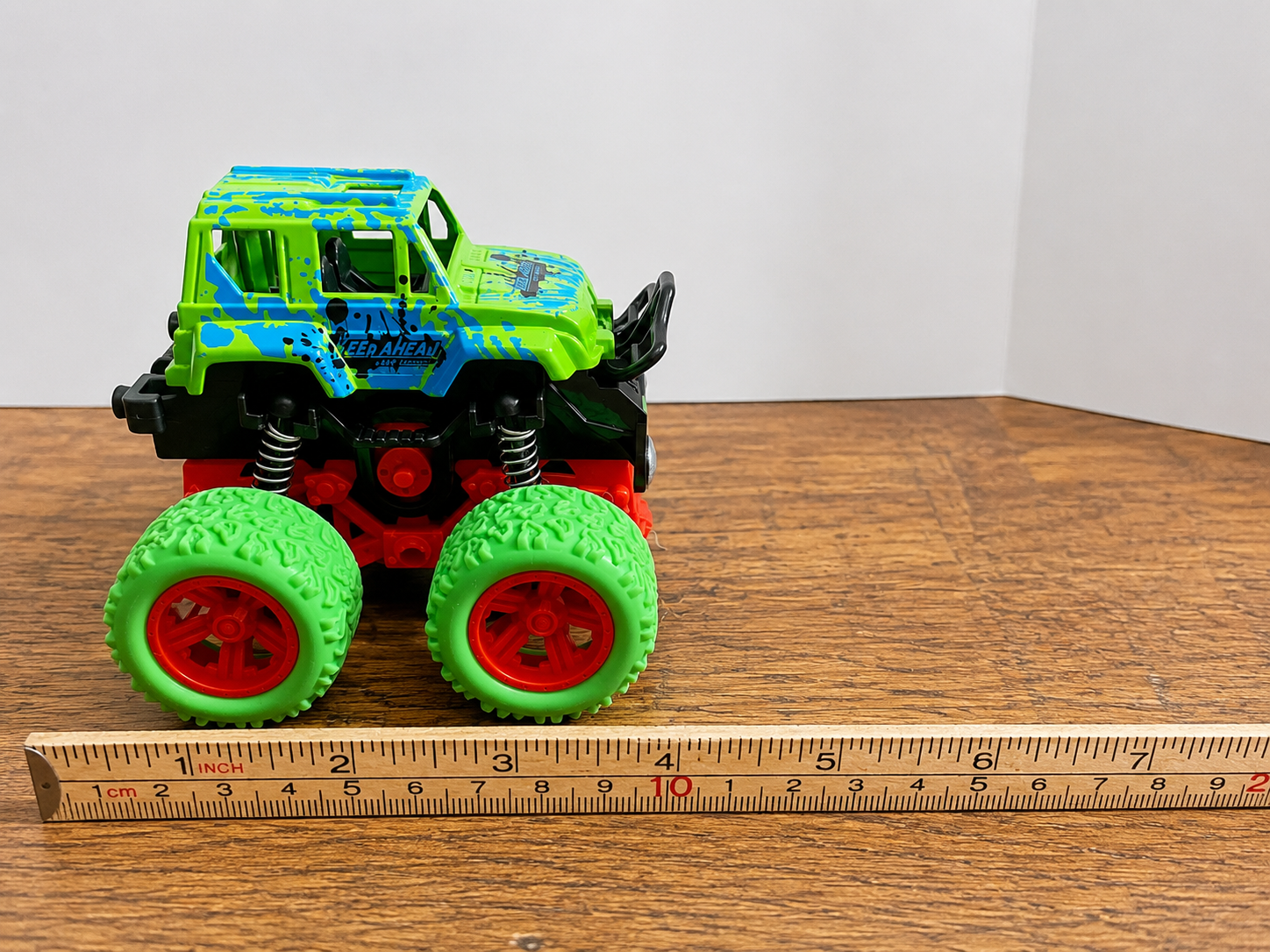
- Toy Cars
- Stopwatch
Steps:
- Measure 1 meter on the ground.
- Line up the toy car's front wheel at the 0 cm mark.
- Give your car a light push.
- When pushed someone should start the stopwatch.
- Record the time it takes to reach the end in the space below.
- Follow steps 1-5 again for a medium sized push and then a harder push.
Students will observe:
- The car travels slower when given a small push.
- The car takes more time to reach the end with a small push.
- The car travels faster when given a large push.
- The car takes less time to reach the end with a large push.
- The car travels farther when given a large push.
Scientific Concepts:
- The greater the force, the faster the object will move.
- The greater the force, the farther the object will move.
- The faster an object moves, the less travel time it will take.
Questions to Support Student Understanding:
- Can you predict what would happen if you gave the hardest push possible?
- Students should understand the larger the force (push) the greater distance the object can travel in less time. They should also understand the greater the force the faster the object will go.
- What is the connection between force and speed?
- Students should understand that force affects the speed of an object. Less force will mean a slower speed and more force will mean a faster speed.
- For this activity we used a pushing force. Could we change this investigation to show a pulling force?
- Students should understand that a force is a push or a pull so yes, you could use a pulling motion instead.
FAQ
What materials did you use?
The exact materials listed aren’t required—similar items you already have in your classroom, school, or that students can bring from home will often work just fine. If you do need to purchase supplies, know that we tested and returned many products that simply didn’t perform well in the classroom. After much trial and error, we found these materials to be especially valuable to the investigation. The links above simply share the products we used and liked, not a required shopping list.
How do students know what counts as a light, medium, or hard push?
Have students practice this before actually recording the time. For the lightest push they still need to push it hard enough to get it to the end of the meter stick. (That’s actually one of the reasons we really liked the monster trucks that we used. They were friction powered so they had good momentum to make sure it made it to the end of the meter stick.) Have students practice the different pushes so they know what their hand will feel like for each push.
What if I don’t have enough materials for each group?
- If you don’t have enough metersticks, have students measure out the meter on the floor and then use tape to mark the starting and ending location.
- If you don’t have enough stopwatches, have students count out loud instead. As long as they count at the same pace each time it will still give them valid data to understand the concepts in this investigation.
- If you don’t have enough cars, have a small group complete this activity while the rest of the class works on something else like reading a related text. When one group finished, another group starts while the finished group works on the alternative activity.
*As an Amazon Associate, we earn from qualifying purchases.
Discover a simple way to teach weather by tracking and graphing daily conditions, using real-time data to build vocabulary and science skills.

Explore matter, physical and chemical properties, and chemical changes with an exciting elephant toothpaste science experiment for kids.

Discover how science scavenger hunts make hands-on learning easy and engaging, with simple activities for exploring matter, forces, and more.

Try the Stroop Effect for kids! This fun brain experiment explores attention, the nervous system, and how our brains process competing information.

Closed sorts vs. open sorts: discover how both strategies help students classify, identify patterns, explain their thinking, and develop deeper science reasoning.
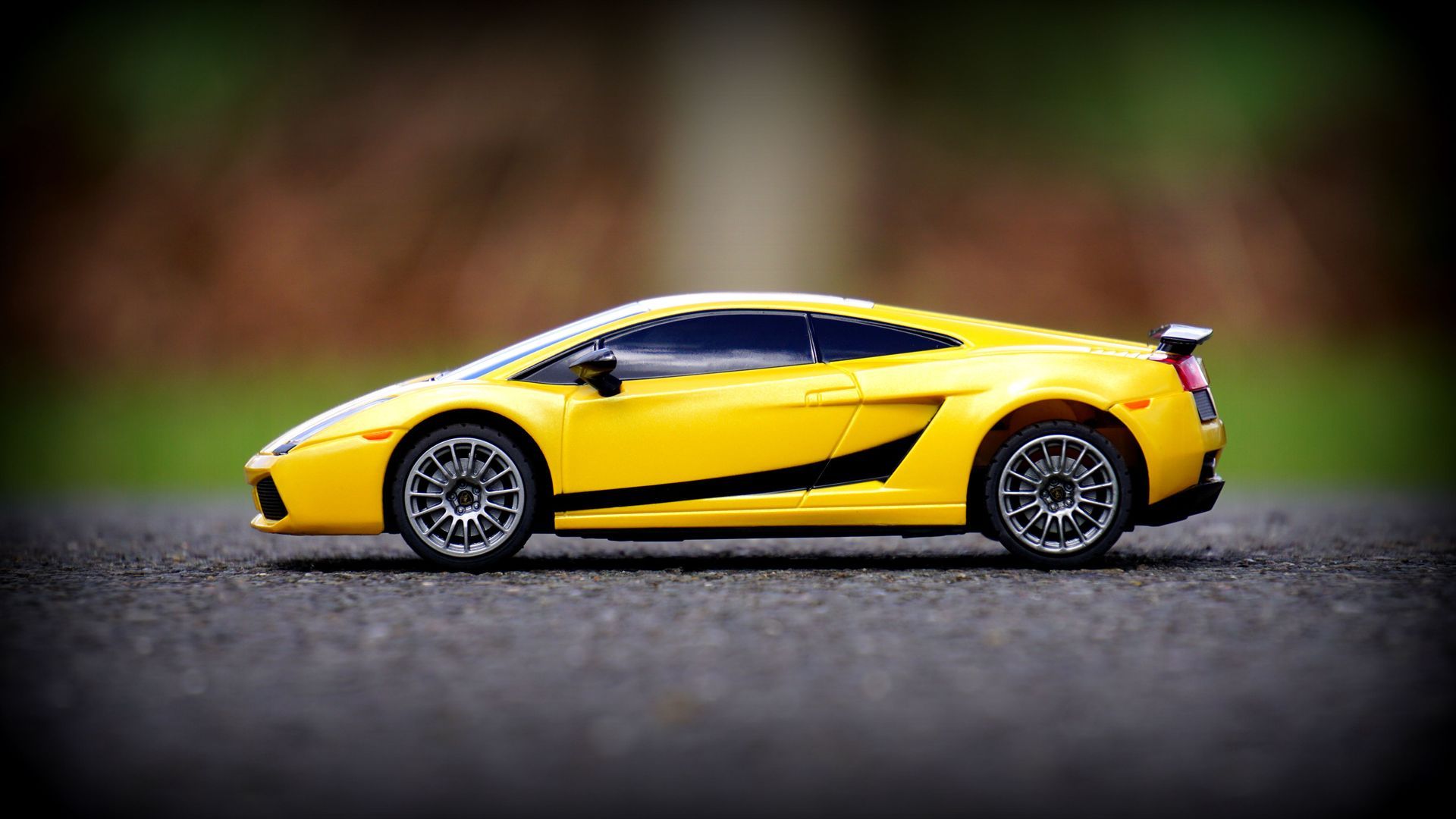
Teach friction with this engaging investigation! Students compare toy car speeds on ramps covered with sandpaper, bubble wrap, and aluminum foil.
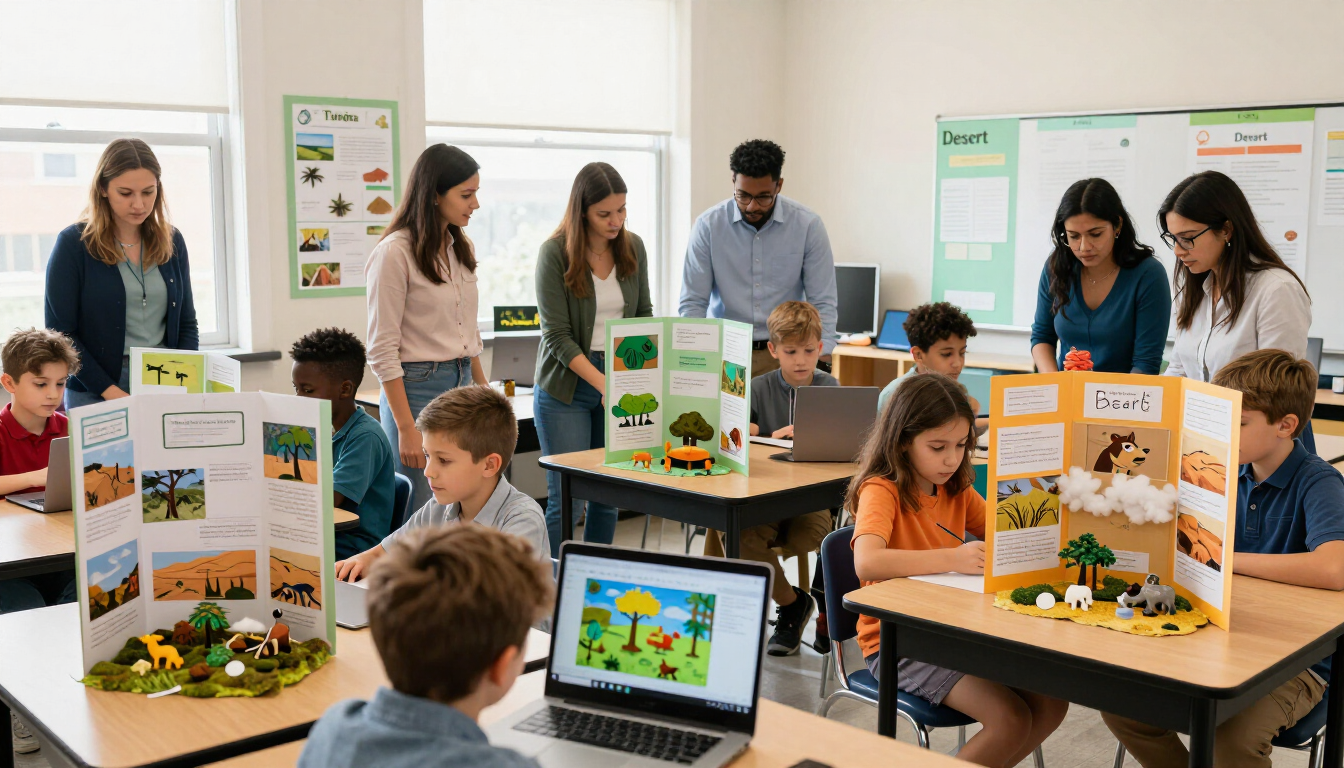
Looking for a meaningful ecosystem project? Learn how to host an Ecosystem Expo where students research biomes, create displays, and present their learning.
Discover hands-on human body system projects that help students explore the skeletal, muscular, digestive, respiratory, and more using simple craft supplies.
Teach force and motion with hands-on science activities that explore how force strength and mass affect movement using simple materials.
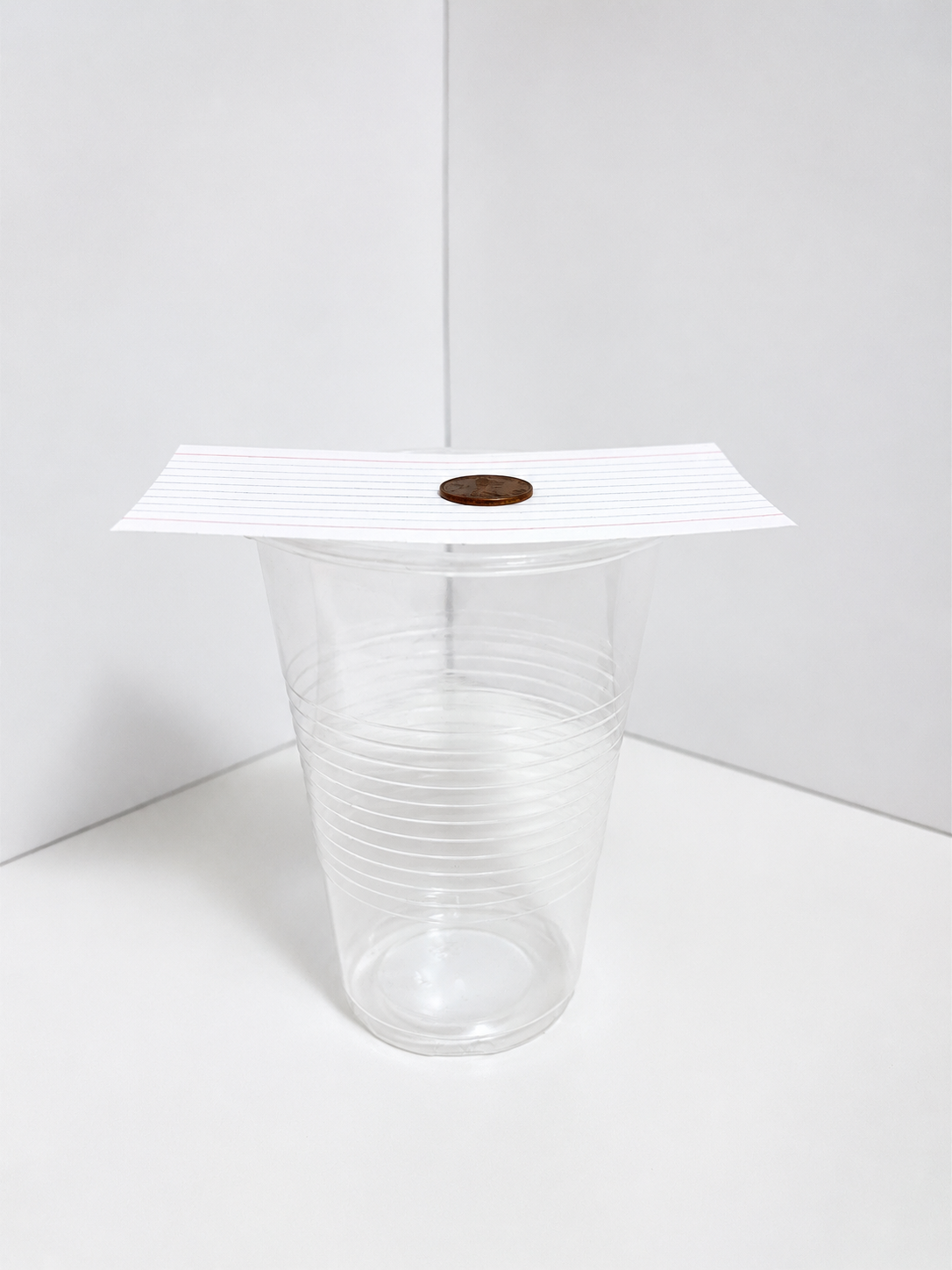
Teach Newton's Laws of Motion with quick, hands-on science activities using simple materials. Perfect for engaging elementary students.