Hosting a Motion Museum: A Hands-On Showcase of Force and Motion

Hosting a motion museum is a great way for students to demonstrate their understanding of force and motion while inviting guests to your classroom to see what your students are learning. 


Motion Museum

Time:
2 hours split into 4 days (30 minutes each). On days 1-3 students will plan and create their exhibit. On the 4th day students will show off their exhibit to the museum visitors.


Materials:

  • Poster Boards
  • A variety of items for students to create their exhibit. Here are some ideas:
  • Metersticks
  • Toy cars
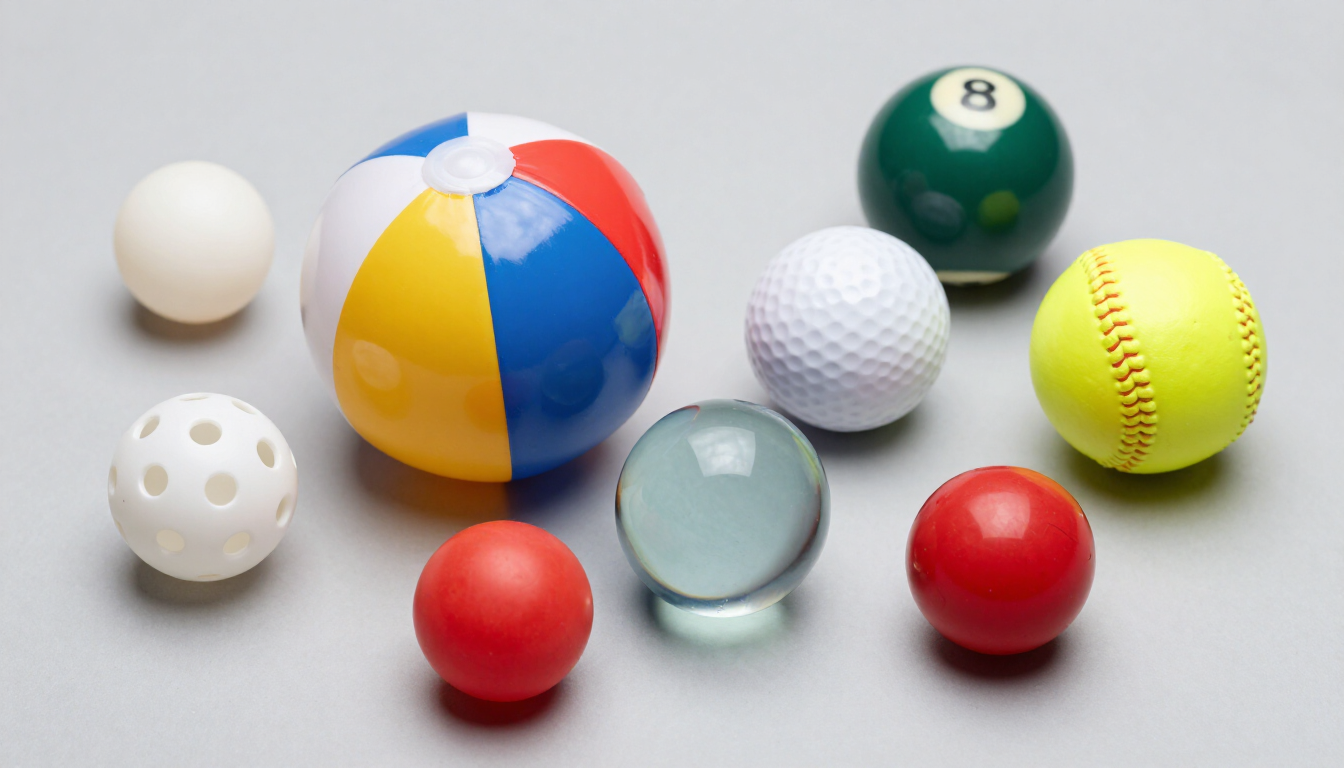
  • Marbles and/or balls
  • Balloons
  • Smoothie Straws
  • String
  • Clothespins
  • Stopwatches
  • Cardboard for building ramps


Steps:

  1. Students will work in partners or groups of 3.
  2. They need to decide on a demonstration they want to model to show the different things they have learned about: forces, motion, speed, gravity and friction.
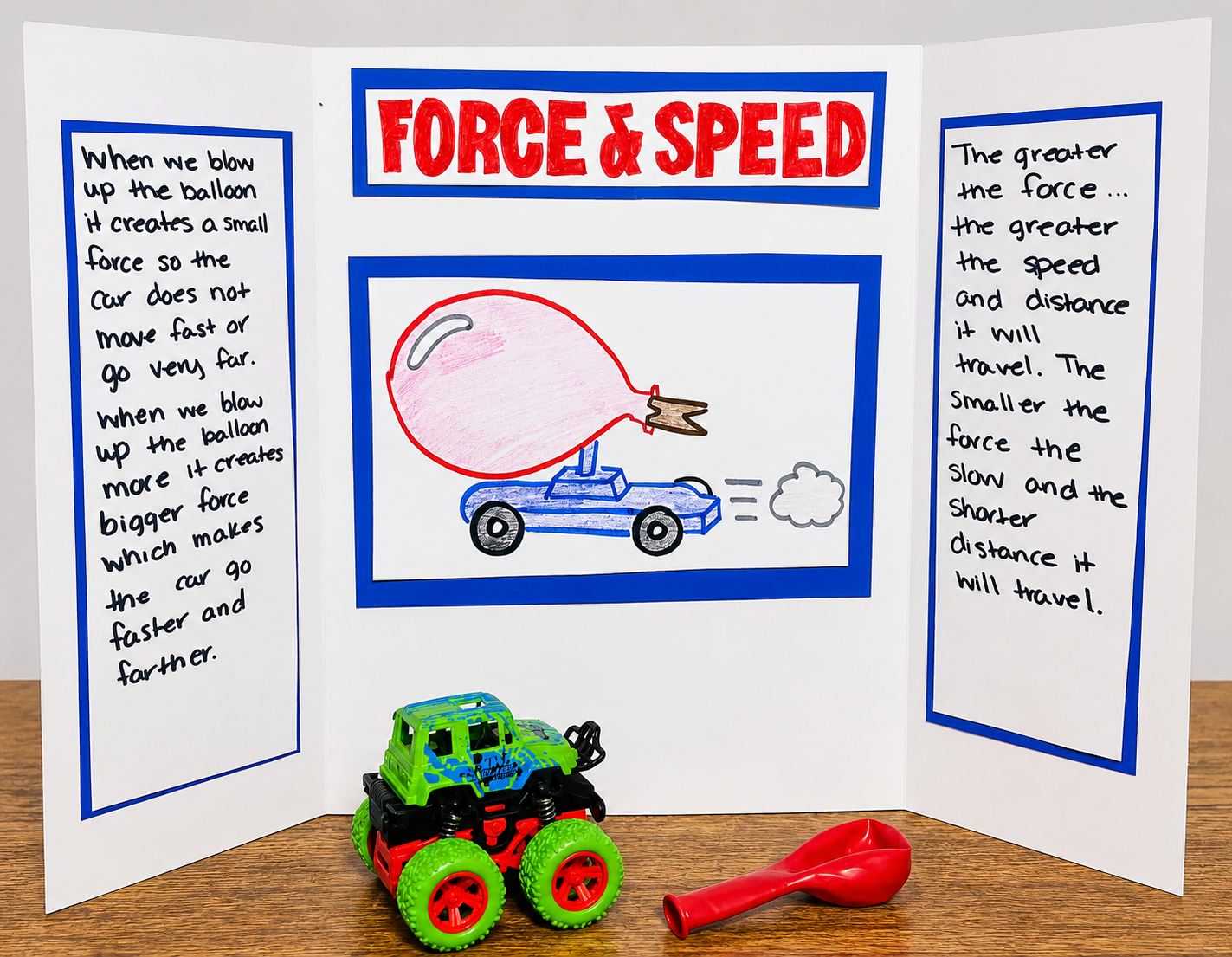
  3. After students have designed and tested their demonstration they will create a poster to show the science behind the demonstration. The poster should include:
  4. A drawing of their demonstration.
  5. An explanation of what happens in their demonstration.
  6.  The scientific principle their demonstration shows.
  7. During the motion museum students will show visitors their hands on demonstration and explain the science behind the topic. They should be prepared to demonstrate it multiple times. 
Toy car being pushed next to a meter stick to demonstrate how forces impact the speed of an object.

FAQ

What do I need to have prepared for this motion museum?

  1. Make sure you have materials available for students. Toy cars, cardboard, string, balloons, marbles, etc. See a more detailed list below. You can allow students to bring items from home (paper towel rolls, rolling toys, flying toys, etc).
  2. Have ideas for demonstrations students can do if they are unable to think of any ideas themselves.
  3. Make sure to check in with each group about their demonstration so you can give them feedback and help them make needed changes.
  4. Decide who you want to invite to this motion museum. You can invite families or you can just invite non homeroom staff members. You can also invite other grade levels. Younger students would love to visit an older class and see what projects they will get to work on.

What should visitors do during the motion museum?


Visitors should visit each exhibit and watch the students' demonstrations. Visitors can ask the presenters questions to help students understand and explain the science behind their demonstration. Pass out a visitor guide to give vistors an idea of what they will see, who they can see and questions they can ask at each exhibit.

What materials did you use?

To help students get started, we provided them with the same resources we had used throughout our Forces and Interactions unit in previous lessons.

  • Toy Cars*
  • Meter Sticks*
  • Stopwatches*
  • Smoothie Straws*
  • Balloons
  • String
  • Clothespins
  • Mini Poster Boards
  • We chose mini poster boards because students really don’t need that much space. 
  • Saving Money & Materials Tip: If you have students write and draw their work on regular paper they can carefully tape their work on the poster board. Then it can be removed later and the poster boards can be reused!


Before spending any money, take a look around your classroom, check with teammates, and encourage students to bring in items from home. You may be surprised how many useful materials are already available. Most investigations work perfectly well with everyday objects, and we always recommend exhausting free options before purchasing anything. Things students can bring from home: paper towel rolls, cardboard to make ramps, balls and more.


If you do need to purchase supplies, the links above simply share the materials we found to be especially valuable to these investigations.


Forces and Interactions Lesson Plan Cover

Looking for ready-to-use lessons on this subject? This activity is part of our 3rd Grade Forces & Interactions Lesson Plans, which include detailed lesson plans, student recording sheets, assessments, and many other activities to help students understand forces, gravity and friction.


*As an Amazon Associate, we earn from qualifying purchases.

Students working in a classroom on reading skills.
June 20, 2026
Guess the Topic is a simple pre-reading activity that builds background knowledge, vocabulary, and curiosity while getting students talking before they read.
Students investigation the force of gravity by dropping objects.
June 19, 2026
Make gravity fun with quick and easy investigations! Explore hands-on science activities that help kids discover how gravity affects motion.
Toy cars being pushed to compare speed and travel time in a force and motion activity.
June 18, 2026
Engage students with a hands-on toy car investigation that demonstrates how greater force affects speed and travel time.
Balloon rocket science experiment demonstrating force and motion with a balloon attached to a straw
June 18, 2026
Engage students with a hands-on balloon rocket activity to explore force and motion through simple STEM experiments and inquiry-based learning.
Teacher working on Google sheets
June 16, 2026
Learn five powerful ways teachers can use Google Sheets to track data, organize information, boost efficiency, and support learning.
A child eating ice cream after making it.
June 14, 2026
Make ice cream while teaching science! Explore heat transfer, states of matter, and physical changes with this fun, hands-on classroom activity.
Picture of students creating model of Earth's landforms and bodies of water.
June 7, 2026
Engage students with a hands-on activity that models Earth's landforms and bodies of water using clay while they demonstrate their science understanding.
Students and teachers working in a classroom.
June 5, 2026
Discover 10 classroom setup decisions that save time, reduce stress, and help create a smooth-running classroom that supports teaching and learning all year long.
Picture of a man conducting
June 4, 2026
Discover five hands-on investigations for teaching the properties of air. Help students explore that air takes up space, air has mass, and air surrounds us.
Photo of a boy about to do a science experment
June 3, 2026
Looking for heating and cooling of matter activities? These three easy investigations help students explore how substances change when heated or cooled.