Quick and Easy Gravity Investigations

Teaching students about gravity doesn’t have to be difficult. Here are 4 stations I have students complete to teach them about gravity and how it pulls objects towards Earth.


Total Time: 30 minutes


Materials:

  • Pencils or other small objects to let fall to the ground
  • Paper
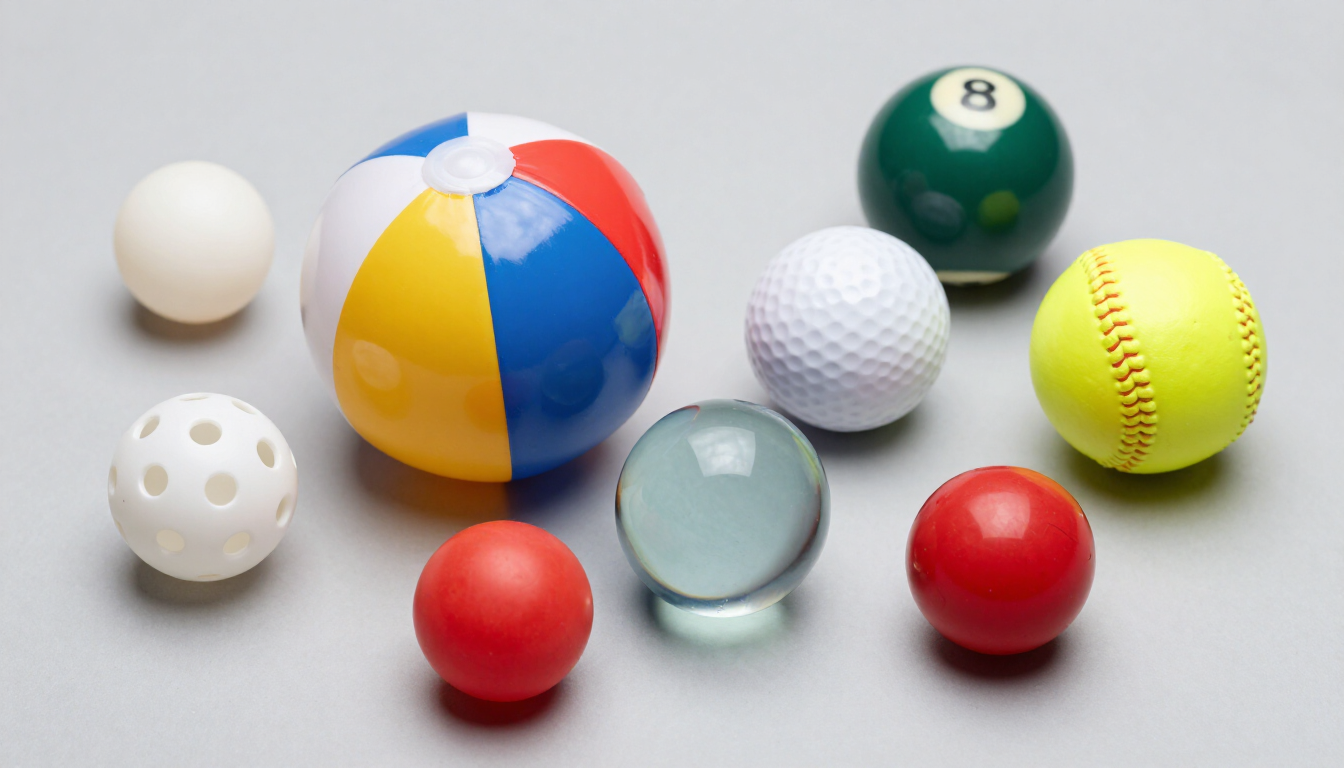
  • Pop Up Balls


For these activities, have students work in groups of 2-3 so they can discuss findings.

Investigation 1 Steps:

  1. Get a small object like a pencil or something similar.
  2. Drop the pencil or object from waist height.
  3. Drop the pencil or object from shoulder height.
  4. Raise your hand above your head and drop the pencil or object.

Investigation 2 Steps:

  1. Push a pencil or small object off a desk.
  2. Find another location in your classroom you can push a pencil or object off of.
  3. Find one more location in your classroom you can push a pencil or object off of.

Investigation 3 Steps:

  1. Hold both pieces of paper and drop them at the same time.
  2. Crumple only one of the pieces of paper and drop both at the same time.
  3. Crumple the second piece of paper and drop them at the same time.

Investigation 4 Steps:

  1. Grab a popper and flip it inside out.
  2. Very carefully place it on the ground and hold it there until you are ready.
  3. When ready, release the popper. Keep it away from your face.

After each investigation students should write down what they observed and what it shows scientifically.


For example:
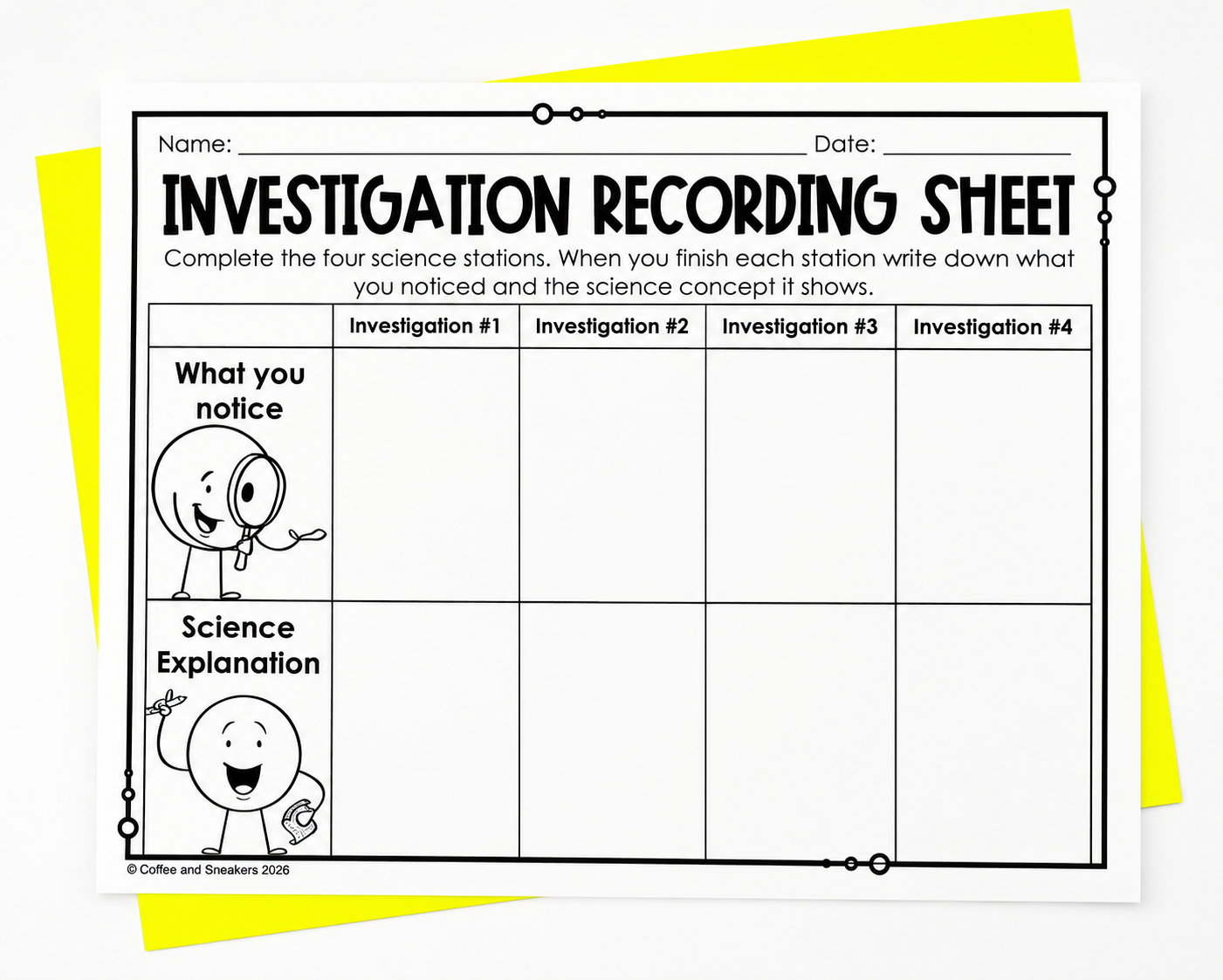
  • What they notice: The objects fall to the ground no matter where we are in class.
  • Science Explanation: Whatever is pulling the objects down happens everywhere


FAQ

What questions can I ask students to help them understand what is happening?

As you walk around the room checking in on different groups, you can ask the following questions to students.

  • What is happening?
  • Does it always happen the same way?
  • What is causing the object to move?
  • Why do you think the same thing happens?
  • Do you notice any patterns?


How can English learners participate successfully?

Here are some tips for English learners:

  • Let them write their ideas in their native language (if they can). If they cannot, let them draw in the observation box instead of writing.
  • Partner them up with someone who can help them record their thoughts on paper.
  • Use AI to help create a visual support to help the student understand the instructions. Here is a prompt: “Take these instructions and turn it into a visual support (PNG) for EL students: Investigation 3 Steps: Hold up both pieces of paper and drop them at the same time. Crumple only one of the pieces of paper and drop both at the same time. Crumple the second piece of paper and drop them at the same time.”


What pop up toys are you talking about?

You could really use any type of object that pops up but then comes back down. But we used these pop up balls*. 


No need to use the same exact object as us. Use whatever you can find that is free, even a bouncing a rubber ball will show students the same scientific principle. We just want to share the resources we used that worked well.

Forces and Interactions Lesson Plan Cover

Looking for ready-to-use lessons on this subject? This activity is part of our 3rd Grade Forces & Interactions Lesson Plans, which include detailed lesson plans, student recording sheets, assessments, and many other activities to help students understand forces, gravity and friction.


*As an Amazon Associate, we earn from qualifying purchases.

Students working in a classroom on reading skills.
June 20, 2026
Guess the Topic is a simple pre-reading activity that builds background knowledge, vocabulary, and curiosity while getting students talking before they read.
Students participating in hands on demonstration to show their families.
June 19, 2026
Host a Motion Museum with engaging force and motion exhibits! Explore hands-on science activities that make physics concepts fun and interactive for kids.
Toy cars being pushed to compare speed and travel time in a force and motion activity.
June 18, 2026
Engage students with a hands-on toy car investigation that demonstrates how greater force affects speed and travel time.
Balloon rocket science experiment demonstrating force and motion with a balloon attached to a straw
June 18, 2026
Engage students with a hands-on balloon rocket activity to explore force and motion through simple STEM experiments and inquiry-based learning.
Teacher working on Google sheets
June 16, 2026
Learn five powerful ways teachers can use Google Sheets to track data, organize information, boost efficiency, and support learning.
A child eating ice cream after making it.
June 14, 2026
Make ice cream while teaching science! Explore heat transfer, states of matter, and physical changes with this fun, hands-on classroom activity.
Picture of students creating model of Earth's landforms and bodies of water.
June 7, 2026
Engage students with a hands-on activity that models Earth's landforms and bodies of water using clay while they demonstrate their science understanding.
Students and teachers working in a classroom.
June 5, 2026
Discover 10 classroom setup decisions that save time, reduce stress, and help create a smooth-running classroom that supports teaching and learning all year long.
Picture of a man conducting
June 4, 2026
Discover five hands-on investigations for teaching the properties of air. Help students explore that air takes up space, air has mass, and air surrounds us.
Photo of a boy about to do a science experment
June 3, 2026
Looking for heating and cooling of matter activities? These three easy investigations help students explore how substances change when heated or cooled.